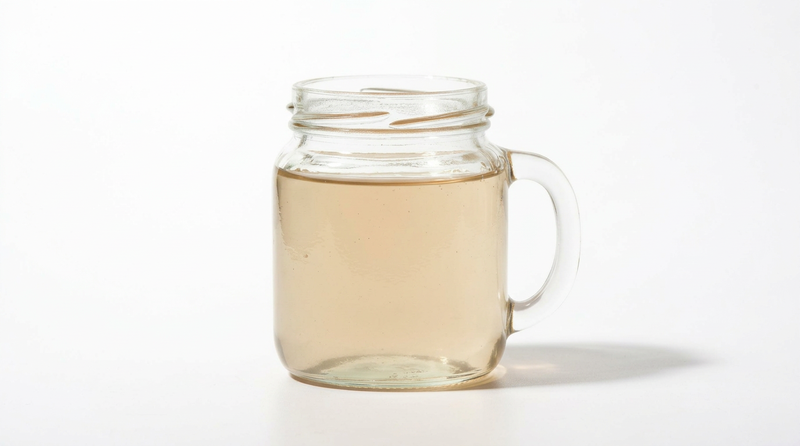
Light, mild honey from the vast cotton fields of the American South.
Cotton honey is produced from the nectar of cotton plant flowers (Gossypium spp.) that bloom across the American South during summer. It's one of the lightest, mildest honeys available — nearly white when crystallized, with a clean, sweet flavor that's even gentler than clover. Cotton honey crystallizes quickly into a smooth, creamy consistency that makes it an exceptional spread. It was once one of the most common Southern honeys, though its availability has declined as cotton farming has shifted toward varieties bred for fiber rather than nectar production.
What makes cotton honey worth seeking out
Crystallizes into a naturally smooth, creamy texture ideal for toast, biscuits, and cornbread — no need for creaming processes.
The extremely mild flavor makes it versatile for tea, coffee, and recipes where you want sweetness without honey flavor competing.
Like all raw honeys, contains hydrogen peroxide activity and natural antimicrobial compounds when unprocessed.
The light color and mild properties make it popular in DIY face masks and skin treatments.
Our top-rated pick — also available in the Honey Finder
Classic American Southern honey from cotton blossom fields. Light, mild, and exceptionally smooth — a perfect kid-friendly everyday honey.
Common questions about cotton honey
Yes. Cotton plants produce nectar-rich flowers that bees actively forage. The honey is a genuine varietal, not a blend. However, modern cotton varieties produce less nectar than heritage strains, making pure cotton honey less common than it once was.
This is a legitimate concern since cotton is a heavily sprayed crop. Buy from beekeepers who work with organic cotton farms or who place hives away from conventionally treated fields. Ask about their sourcing practices.
The nectar itself is very light, and cotton honey has a high fructose-to-glucose ratio that keeps it pale. When crystallized, it can appear almost white — this is natural and desirable.