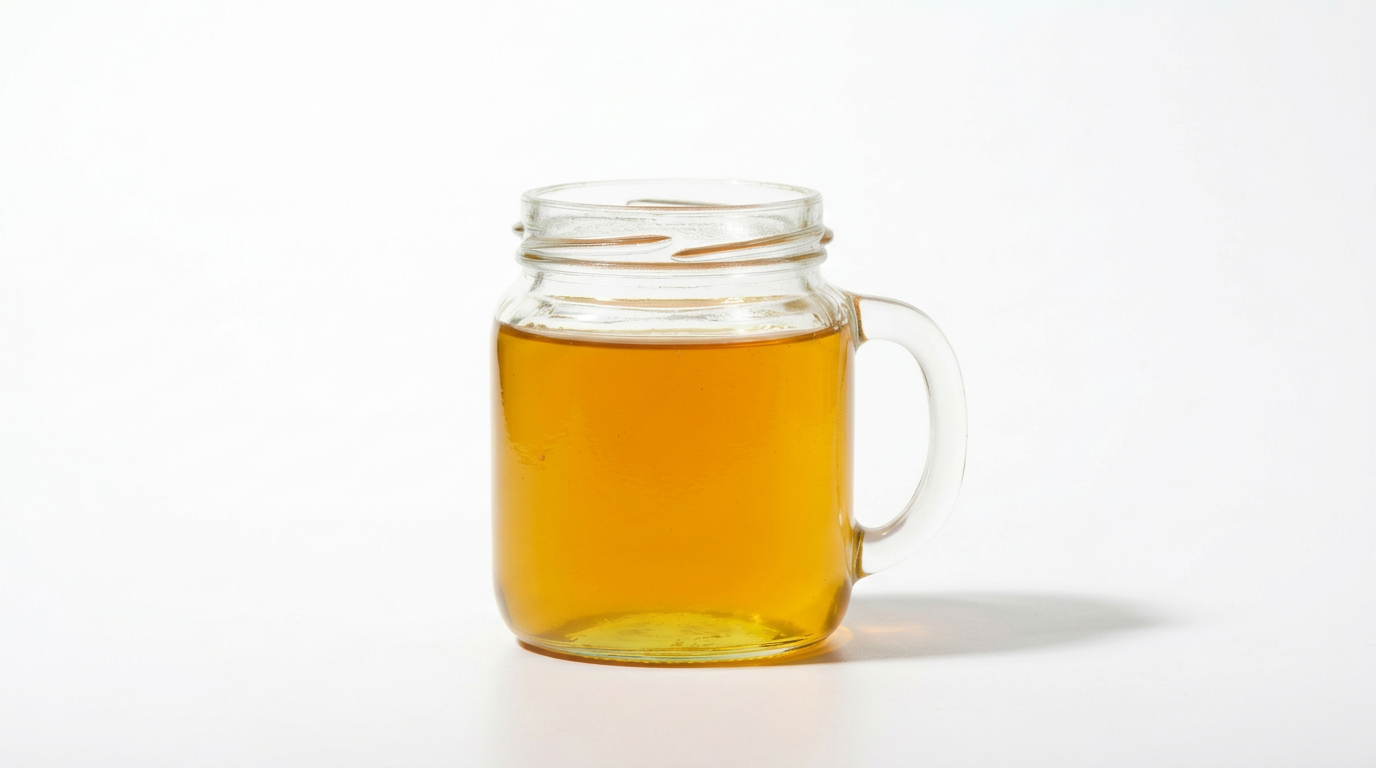
One of the first honeys of spring — sharp, distinctive, and boldly flavored from humble dandelion flowers
Dandelion honey comes from the common dandelion plant (Taraxacum officinale), the ubiquitous "weed" that blankets meadows and fields across Europe and North America every spring. Dandelions bloom early — often among the first flowers available to bees after winter — making dandelion honey one of the first honeys harvested each year. It's a marker of spring's arrival in the beekeeping calendar.
The honey is distinctly deep yellow to light amber, created from the bright yellow dandelion flowers that bees work with single-minded focus during the bloom window. The flavor is unmistakably bold and distinctive: sharp, slightly bitter, tangy, with a bright finish that lingers on the palate. There's nothing subtle about dandelion honey — you know immediately that you're tasting something strong and assertive.
Dandelion honey crystallizes moderately fast, forming fine crystals that create a smooth texture. Historically, dandelion honey was more valued than modern markets suggest — it was a staple in traditional European herbalism and beekeeping. While specialty honeys have overshadowed it in recent decades, dandelion honey remains a distinctive, bold choice for those who appreciate strong flavors and traditional spring honey. It's a polarizing honey: lovers appreciate its distinctive character, while others find it too intense.
Three characteristics that define spring's distinctive honey
Dandelion honey is one of the first honeys harvested each spring. It marks the beekeeping year's beginning and signals winter's end. For beekeepers and honey lovers, the arrival of dandelion honey is the announcement that spring has truly come.
Unlike subtle, refined honeys, dandelion honey is aggressively bold: sharp, tangy, slightly bitter. It announces itself and refuses to be ignored. This distinctive character makes it polarizing — lovers adore its personality, while others find it overwhelming.
Dandelions are dismissed as weeds, yet they produce a remarkable honey. There's something poetic about creating something valued and distinctive from plants most people consider undesirable — humble origins, bold character.
What makes dandelion honey valued in traditional herbalism
Educational purposes only — not medical advice. Consult healthcare providers for health decisions.
Dandelion has a long tradition in European herbalism as a detoxifying and liver-supporting plant. The bitter compounds present in dandelion honey are believed to support the body's natural detoxification processes and liver health.
The bitter quality of dandelion honey stimulates digestive processes and supports healthy digestion. A spoonful can promote appetite and digestive comfort — a traditional remedy approach to digestive wellness.
Dandelion honey contains polyphenols and the beneficial compounds of both honey and dandelion plant. These support cellular health and reduce inflammation — a comprehensive wellness approach.
In European herbalism, dandelion honey is a traditional spring tonic — used as a renewal and renewal remedy after winter. It's believed to support the body's natural renewal and vitality as seasons change.
Like all raw honey, dandelion honey provides antimicrobial and immune-supporting compounds. The dandelion plant adds additional phytonutrient benefits for comprehensive immune wellness.
The sugars in dandelion honey provide quick, sustained energy. Combined with the body's response to bitter compounds, it's a traditional spring energy tonic used by cultures across Europe.
📋 Educational Disclaimer: The health information on this page is for educational purposes only and is not intended as medical advice. While dandelion honey is valued in traditional European herbalism, traditional use does not constitute medical treatment. People with health conditions, particularly liver conditions, should consult their healthcare provider before using dandelion honey for wellness purposes.
How beekeepers harvest the year's first honey
Dandelions bloom early each spring, often among the first flowers available after winter. In temperate regions, dandelions appear in April and May when bees are emerging from winter clusters and desperately need forage. The abundant yellow flowers across meadows and fields provide crucial early-season nectar for building colony strength.
While dandelion flowers persist for weeks, the peak nectar flow is intense but brief. Bees work dandelion flowers with focused energy when weather is favorable. A strong colony can produce substantial honey surpluses during peak bloom. However, weather matters greatly — a cold, wet spring can substantially reduce dandelion honey yields.
Dandelions grow everywhere — in meadows, fields, ditches, yards, and roadsides. This ubiquity makes dandelion honey reliably available across diverse regions. Unlike specialty honeys dependent on specific plants in specific locations, dandelion honey can be produced anywhere dandelions grow, making it accessible to beekeepers worldwide.
Before modern specialty honey markets, dandelion honey was far more valued and widely produced. It was a spring staple — the first honey of the year, eagerly anticipated and used for both culinary and medicinal purposes. While modern markets have shifted focus to exotic honeys, dandelion honey remains important in traditional beekeeping cultures and represents a connection to historical honey practices.
A spoonful straight — the traditional remedy approach. The bold flavor asserts itself immediately. This is how to truly experience dandelion honey's distinctive character.
Stir into warm tea or water for a spring tonic. The bold flavor stands up well to herbal teas. Perfect for a morning spring wellness ritual.
Use in cooking where you want bold honey flavor. The tangy character works in glazes, sauces, and dressings. It won't disappear into recipes — it announces itself.
Pair with aged, sharp cheeses where the bold flavor complements rather than competes. The tangy character works well with funky, complex cheese flavors.
A spring detoxification and renewal tonic — traditional European approach. Use as a daily spoonful or in warm water as a spring wellness ritual.
For baking where you want honey flavor to be notable. Use in recipes designed for bold sweetness — not subtle applications. The flavor will shine through.
Dandelion honey is not for everyone. It's for people who appreciate bold, assertive flavors and traditional honey culture. If you prefer subtle, refined honeys, dandelion will likely overwhelm. But for adventurous palates and those who appreciate springtime tradition, dandelion honey is a distinctive, memorable experience and a genuine connection to beekeeping history.
Authentic dandelion honey from spring harvests
As an Amazon Associate, TrueComb earns from qualifying purchases. Full disclosure
Extremely raw dandelion blossom honey from Amish Country. Unfiltered, unprocessed, pure and natural. Bold, tangy spring flavor with buttery finish.
Small-batch raw dandelion honey from Pacific Northwest spring meadows. Bright, tangy with sharp floral bite and distinctive character unlike any other honey.
Pure natural dandelion honey made from dandelion blossom nectar. USA-made and hand-bottled. Bold springtime flavor for adventurous palates.
Common questions about Dandelion honey
Dandelion honey has a bold, distinctive taste with herbal and slightly bitter undertones reminiscent of the dandelion plant itself. It's darker and more assertive than lighter honeys, with a warming quality.
Dandelion honey is produced in regions where dandelions bloom in abundance, particularly in Europe and parts of North America. It's often produced by beekeepers who allow dandelions to grow freely in their areas during spring.
Dandelion honey is traditionally valued in herbal medicine for supporting liver health and promoting detoxification. The dandelion plant is long recognized in traditional medicine for these properties, making the honey a natural choice for wellness-focused consumers.
Yes, Dandelion honey often contains more visible pollen than commercial honeys and is sometimes used specifically by those seeking raw honey with high pollen content for potential allergy relief benefits. However, quality varies significantly between producers.
Store Dandelion honey in a sealed container at room temperature. Its higher density and crystallization tendency means it may thicken over time, which is normal for raw dandelion honey varieties.
Each variety has its own unique characteristics and benefits