From Tasmania's temperate rainforests — a spicy, musky, and uniquely complex honey with a flavor unlike any other in the world
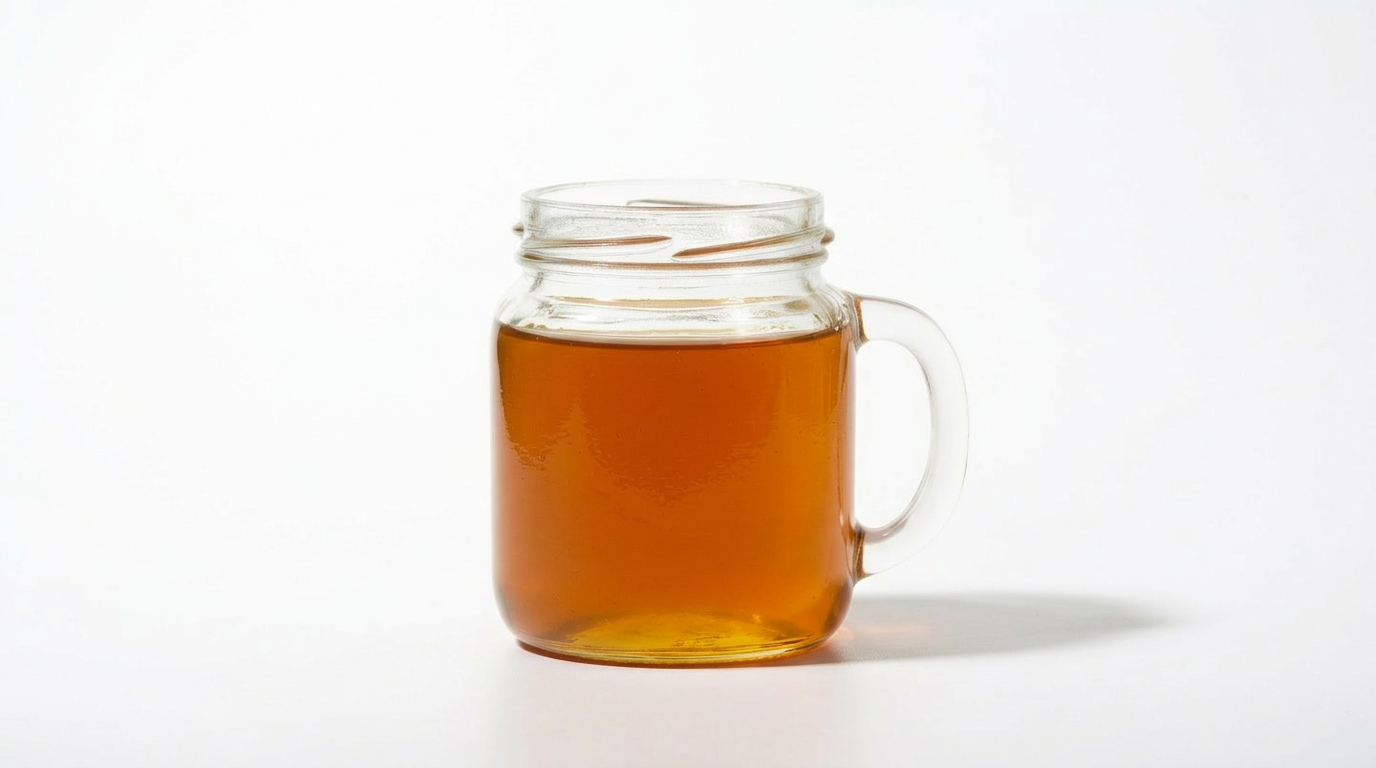
Leatherwood honey comes from the Leatherwood tree (Eucryphia lucida), an ancient and remarkable plant that grows exclusively in the temperate rainforests of southwest Tasmania. These trees are not common; they exist in limited pockets of protected wilderness in Tasmania's Southwest National Park and Gordon-Franklin Wild Rivers National Park. The honey they produce is considered one of the world's most complex and distinctive honeys, with a flavor profile that baffles and delights equal numbers of tasters.
Leatherwood trees take 70 to 100 years to reach flowering maturity. This extreme longevity means that the trees producing honey today began growing in the early 1900s — long before Tasmania was widely settled. The trees bloom for just 2–3 weeks in mid-summer (January in the Southern Hemisphere), releasing nectar only under specific humidity and temperature conditions. The nectar itself is so complex that it carries a pronounced musky, spicy character with floral undertones that some describe as perfumed or aromatic. The resulting honey is dark amber with remarkable keeping properties and a flavor that improves with age.
Leatherwood honey has been protected by the Tasmanian government as a UNESCO-recognized product from a protected ecosystem. Beekeepers who harvest from Leatherwood forests are strictly limited in hive numbers and placement, ensuring minimal ecosystem impact. The rarity is not just a marketing claim — it is a biological and regulatory reality. This is one of the world's most authentic single-origin honeys, and genuine jars are precious beyond their price.
Three factors converge to make leatherwood one of the world's most distinctive and protected honeys
Leatherwood trees require 70 to 100 years to produce flowers. This is not an exaggeration — it is a botanical fact. The trees flowering today began growing before modern Tasmania existed. This longevity creates scarcity at a cellular level: there is only a finite number of mature leatherwood trees on Earth. New trees planted today will not produce honey for a century. This is not renewable in any human timeframe.
Leatherwood honey can only be harvested from Tasmania's protected rainforest reserves — UNESCO-recognized wilderness areas with strict environmental regulations. Beekeepers cannot freely expand hive numbers or placement; every apiary is monitored for ecological impact. This is honey produced in harmony with conservation, not industrial-scale extraction. Each jar is literally carved from a protected ecosystem.
The flavor of leatherwood honey is so distinctive that it polarizes tasters. Some describe it as perfumed, musky, spicy, or aromatic. Others find it too intense. The complexity comes from the unique nectar chemistry of the leatherwood flower — a composition unlike any other honey plant. This is not a honey you enjoy for sweetness; you experience it for its sheer uniqueness and the story it tells about Tasmania's ancient forests.
Understanding leatherwood's complex and polarizing character
Leatherwood honey has an immediately distinctive character that announces itself on the palate. The primary notes are spicy and musky — almost perfumed — with a depth that unfolds over several seconds. There's a savory undertone alongside the floral sweetness, creating a honey that feels more like a condimented ingredient than a simple sweetener. The aftertaste is long and aromatic, lingering with herbal and slightly peppery notes.
Leatherwood honey is acquired taste. Some tasters adore its unique musky spice and complexity. Others find it overpowering or medicinal. If you enjoy bold, distinctive flavors — like aged cheeses, craft spirits, or single-origin dark chocolates — you'll likely appreciate leatherwood. If you prefer mild, approachable honeys, this may not be for you. Taste before buying large quantities.
Unlike most honeys, leatherwood actually improves with age. The complex flavor compounds mature and integrate over months and years. A fresh jar may seem sharp or spicy; the same jar after 6–12 months of storage becomes rounder and more sophisticated. If you purchase leatherwood, consider laying it down like you would a vintage wine — it only gets better.
What makes leatherwood honey special from a wellness perspective
Educational purposes only — not medical advice. Leatherwood honey is valued as a food ingredient first, medicinal application second.
Leatherwood honey's complex flavor comes from high polyphenol content — compounds that combat oxidative stress. The dark amber color indicates strong antioxidant activity. While leatherwood-specific research is limited compared to manuka, its polyphenol profile rivals many other premium honeys and contributes to its therapeutic reputation in traditional use.
As a raw honey, leatherwood contains enzymes and compounds that support general wellness and may reduce inflammation. While not as potent as manuka honey's MGO activity, leatherwood's traditional use in Australian herbalism reflects its perceived anti-inflammatory benefits. Modern research is limited but emerging.
Leatherwood has been used in Tasmanian traditional medicine for sore throats and respiratory comfort. The spicy notes and antimicrobial properties of raw honey may contribute to this benefit. Some users find the distinctive flavor itself soothing, though this is subjective.
Like all honey, leatherwood provides natural glucose and fructose for sustained energy. The complex flavor makes it more of a food experience than a functional sweetener, so enjoy it mindfully as part of a balanced diet.
📋 Educational Disclaimer: The health information on this page is for educational purposes only and is not intended as medical advice. While leatherwood honey has been used in traditional medicine, scientific research specific to leatherwood is limited. Consult a healthcare provider before using honey as a treatment for any health condition.
How to experience leatherwood's unique character
Leatherwood honey's spicy, musky character is extraordinary with hard, aged cheeses — particularly aged cheddar, manchego, or washed-rind cheeses. The honey's complexity complements the cheese's depth.
Leatherwood is a connoisseur's gift — for someone who appreciates rare, distinctive foods and interesting stories. It's a conversation starter and a memorable experience.
Taste leatherwood straight from a spoon to fully experience its complex flavor. Let it linger on your palate to discover the layers and evolution.
Serve leatherwood with cheese and cured meats on a charcuterie board. Its spice and complexity bridge the gap between sweet and savory.
Don't cook with leatherwood honey. Its distinctive character is meant to be appreciated in its raw form. Heat will diminish its complexity.
Store in a cool, dark place and allow to age. Leatherwood honey improves over months and years, becoming smoother and more sophisticated with time.
Authentic leatherwood honey from Tasmania's protected forests
As an Amazon Associate, TrueComb earns from qualifying purchases. Full disclosure
Certified leatherwood from Tasmania's Southwest National Park. These beekeepers work within strict environmental regulations to preserve the rainforest ecosystem while harvesting this rare honey.
Small-batch leatherwood from a single heritage apiary in Tasmania. Premium quality control and direct relationship with the beekeeping family. Limited annual production.
Raw, cold-processed leatherwood honey that preserves all enzymatic and nutritional content. Minimalist production philosophy, maximum flavor integrity.
Organically certified leatherwood from Tasmania's pristine forests. Each jar carries the story of protection and conservation. Premium tasting experience.
Common questions about Leatherwood honey
Leatherwood honey comes from the nectar of the leatherwood tree (Eucryphia lucida), a native Australian plant endemic to Tasmania. This rare honey is considered one of Australia's most premium honeys.
Leatherwood honey has a distinctive, intense floral character with spicy and slightly peppery undertones. It's aromatic with a complex flavor that lingers, making it memorable and quite different from typical honeys.
Leatherwood honey is exclusively produced in Tasmania, Australia, where the leatherwood tree grows in limited areas. The tree's scarcity and specific growing requirements make this honey geographically exclusive and highly prized.
Leatherwood honey ranges from light to medium amber, often with a slight greenish tint due to its floral source. The color is typically lighter than many honeys but darker than acacia or fireweed varieties.
Leatherwood honey commands premium prices due to its scarcity, geographic exclusivity to Tasmania, limited annual production, and high international demand. Its unique flavor profile and quality make it a luxury honey sought by collectors worldwide.