European Heritage Updated March 2026

Linden Honey

From Central European lime trees — a fresh, minty honey treasured for centuries in folk medicine

Light to Medium Amber
Color
$12–$25
Price Range
Europe/Eastern US
Origin
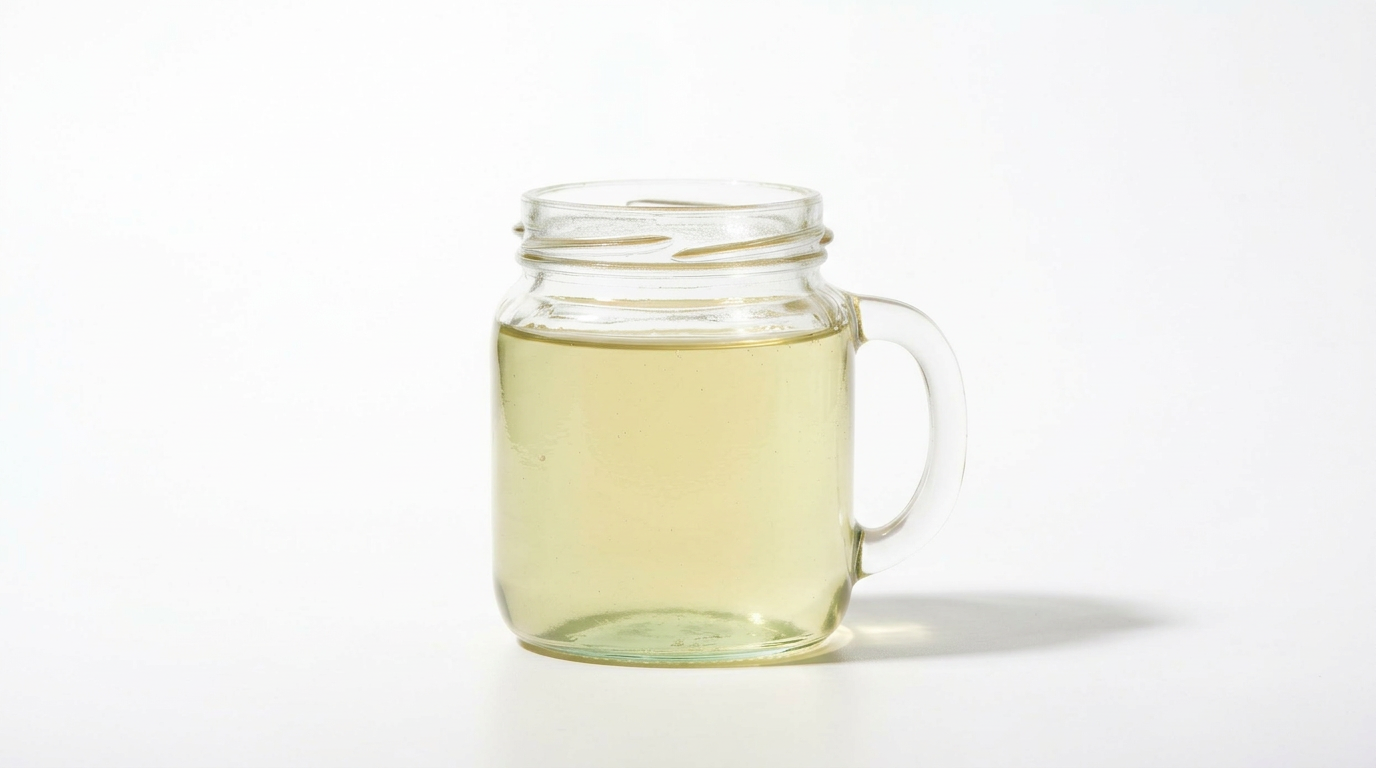
Premium Linden honey in glass jar

What is Linden Honey?

Linden honey comes from the linden tree (Tilia europaea), also known as the lime tree — not to be confused with the citrus lime. These magnificent shade trees line streets and fill parks throughout Central Europe, particularly in Germany, Poland, Romania, and the Balkans. When linden trees bloom in early summer with delicate, fragrant flowers, bees work them intensively, producing a honey unlike any other in Europe.

The flavor is distinctive and immediately recognizable: fresh and minty with balsamic, almost medicinal undertones. It's lighter and more delicate than many European honeys, with a brightness that makes it perfect for tea. The color is a pale, creamy amber. Linden honey crystallizes at a medium rate, forming fine, creamy crystals that actually enhance its texture and usability.

What sets linden honey apart is its long tradition in European folk medicine and herbalism. For centuries, Central Europeans have used linden honey as a natural remedy for colds, coughs, and respiratory comfort. It pairs beautifully with herbal teas, particularly chamomile and sage. Many European families keep linden honey on hand as their go-to winter wellness honey — it's less about trendy health claims and more about generations of practical, lived experience.

Quick Facts

Origin: Central Europe (Germany, Poland, Romania, Balkans)
Botanical: Tilia europaea (European linden/lime tree)
Color: Light amber, pale golden
Flavor Profile: Minty, fresh, balsamic with medicinal quality
Texture: Smooth when liquid, fine creamy crystals when crystallized
Crystallization: Medium (fine crystals)
Price Range: $12–$22 per jar
Rarity: Regional — readily available in Central Europe, harder to find elsewhere
What Makes Linden Honey Special

Three characteristics that define Europe's most beloved medicinal honey

🌿 Minty-Balsamic Flavor

Linden honey's fresh, minty character with subtle balsamic undertones makes it immediately distinctive. It's brighter and more herbal than most honeys, with an almost medicinal quality. This flavor profile makes it ideal for tea and warm beverages — when you taste linden honey in warm liquid, you understand immediately why Europeans prize it for winter wellness.

🏛️ Deep Cultural Tradition

Linden honey isn't a trendy superfood; it's the honey of European folk medicine and herbalism. For centuries, mothers and healers in Central Europe have relied on linden honey for respiratory comfort and general wellness. This isn't marketing — it's practical tradition passed down through generations. It's the honey your great-grandmother would have used.

🎁 Versatile & Accessible

Unlike rare or extremely potent honeys, linden is accessible, affordable, and versatile. You can use it daily in tea, drizzle it on yogurt, or give it as a gift. It's a honey that fits into everyday life while still offering distinctive character and traditional wellness benefits that have made it beloved across an entire continent.

Health Benefits & Traditional Uses

Why linden honey has been Europe's remedy honey for generations

📊 Evidence Summary

Respiratory & cough support — traditional use well-documented across Central Europe; honey's general antimicrobial and soothing properties support this application Moderate Evidence
Calming & sleep support — linden flower tea is traditionally used for relaxation; honey's glucose can support sleep quality General Evidence
Antioxidant & anti-inflammatory — raw honey properties apply; linden-specific profiles less studied than some specialty honeys General Evidence
Throat & immune support — general antimicrobial honey properties; mild flavor makes it suitable for children and sensitive individuals General Evidence

Educational purposes only — not medical advice. Traditional use does not replace professional medical care.

🫁 Respiratory Comfort

Linden honey is beloved across Central Europe for supporting respiratory health and soothing coughs. A spoonful in warm tea or water provides soothing comfort, and the minty character adds an extra dimension of respiratory support. This is the honey families reach for when winter colds arrive.

😴 Sleep & Calming

Linden flower has long been used in European herbalism to promote relaxation and calm. Combined with honey's natural sleep-supporting glucose, a spoonful of linden honey before bed or in warm tea can support restful sleep and relaxation — a traditional remedy that feels right.

💪 Immune & Throat Support

Like all raw honey, linden possesses natural antimicrobial properties that support throat health and immune function. Its mild flavor and medicinal undertones make it particularly suitable for when you're not feeling well — it tastes like care.

🌿 Antioxidants & Enzymes

Raw linden honey contains polyphenols and enzymes that support cellular health and combat oxidative stress. While less potent than some specialty honeys, linden offers consistent, gentle antioxidant benefits perfect for daily use.

🧴 Digestive Wellness

The enzymes and beneficial compounds in raw linden honey support digestive health and comfort. Its mild character makes it suitable for those with sensitive digestion who want honey benefits without overwhelming flavor.

👶 Gentle & Child-Friendly

Linden honey's mild, pleasant flavor makes it suitable for use with children (over 1 year old). It's gentle enough for sensitive palates while still offering traditional wellness support. European parents have relied on it for generations.

📋 Educational Disclaimer: The health information on this page is for educational purposes only and is not intended as medical advice. While linden honey has a long tradition in European folk medicine, traditional use does not constitute medical treatment. People with health conditions or those taking medications should consult their healthcare provider before incorporating linden honey into a wellness routine.

Linden Trees & Honey Harvesting

How Central European beekeepers work with linden's brief, intense bloom

The Linden Tree: Urban & Wild

Linden trees are among the most beloved shade trees in Central Europe — you'll find them lining streets in cities like Berlin, Warsaw, Prague, and Budapest, as well as thriving wild in forests. They're massive, long-lived trees that have been planted in European cities and landscapes for centuries. Many linden trees are 200+ years old, and the trees themselves are often historic landmarks.

Early Summer Bloom: Intense & Brief

Linden blooms in early summer (June to July), producing masses of small, fragrant flowers that are highly attractive to bees. While the bloom window is typically 2–3 weeks, the intensity of nectar production during this period is remarkable. In good weather, linden can produce large honey yields quickly. The bloom is relatively reliable year to year, making linden a stable honey source for Central European producers.

Urban & Forest Apiaries

Linden beekeeping is unique in that it happens in both urban parks and wild forests. City beekeepers position hives to take advantage of street-lining lindens, while forest beekeepers work with wild populations. This dual production system means linden honey is more widely produced than many European specialty honeys, supporting accessibility and relatively moderate pricing.

Quality & Crystallization

Linden honey's medium crystallization is actually beneficial — it forms fine, creamy crystals that many people prefer. Some beekeepers allow controlled crystallization before jarring, creating a smooth, spreadable honey. Others keep it liquid. Both approaches are legitimate; the choice depends on producer preference and consumer taste.

How to Enjoy Linden Honey

🍵

Tea & Warm Beverages

Stir linden honey into herbal tea (chamomile, sage, thyme) or warm water. The minty, balsamic character makes it perfect for winter wellness routines. A classic Central European remedy combination.

🥣

Yogurt & Breakfast

Drizzle or swirl linden honey into yogurt, oatmeal, or breakfast bowls. Its light flavor complements dairy and grains without overwhelming them. Perfect for everyday use.

🥄

Direct Consumption

A spoonful straight — the traditional remedy approach. When you're not feeling well, a spoonful of linden honey feels like taking care of yourself. It's simple, effective, and comforting.

🍰

Baking & Cooking

Use linden honey in baking, sauces, and cooking where you want subtle honey flavor. Its delicate profile won't overpower recipes — it just adds gentle sweetness and depth.

🧈

Cheese & Charcuterie

While not as bold as heather or thyme, linden works beautifully on a cheese board with mild to medium cheeses. Its fresh character complements rather than dominates.

😴

Evening & Sleep

A spoonful before bed, stirred into warm milk or tea. The traditional European approach to supporting restful sleep and relaxation through gentle, familiar honey.

The Versatility of Linden

Linden honey is the definition of a versatile, everyday honey. Unlike rare honeys reserved for special occasions, linden is meant to be used regularly. It's the honey that sits in European kitchen cupboards year-round, ready for tea, remedies, cooking, and moments of comfort. Its accessibility and gentle character make it the perfect introduction to European specialty honeys.

Best Linden Honey Brands

Authentic linden honey from Central European beekeepers and producers

As an Amazon Associate, TrueComb earns from qualifying purchases. Full disclosure

German Certified

German Linden Honey

Classic German linden from beekeepers in Bavaria and the Rhine Valley. Pure, traditional production with the minty-balsamic character that defines European linden. Available in liquid or naturally crystallized forms.

Polish Heritage

Polish Linden Honey

Raw, unfiltered linden from forest apiaries in Poland. Strong herbal and minty character with authentic, traditional flavor. Perfect for those seeking the genuine folk remedy experience without processing or alteration.

Czech Premium

Bohemian Linden Honey

Creamy, naturally crystallized linden from Czech forests and urban Prague apiaries. Fine, smooth texture with classic balsamic-minty flavor. Excellent for tea or direct consumption. A taste of Central European tradition.

Balkan Forest

Romanian Linden Honey

Organic-certified linden from pristine forests in the Carpathian Mountains. Deep, complex minty character with pronounced medicinal quality. The strongest, most authentic linden profile available for serious enthusiasts.

Frequently Asked Questions

Common questions about Linden honey

What does Linden honey taste like?

Linden honey has a distinctive minty, floral character with subtle herbal notes and sometimes a slightly mentholated quality. It's light, delicate, and refreshing with a unique flavor that sets it apart from mainstream honeys.

Where is Linden honey produced?

Linden honey comes from regions where linden (lime) trees are abundant, particularly Central and Eastern Europe, Russia, and parts of North America. The linden tree produces abundant, fragrant flowers that are highly attractive to honeybees.

What are the traditional uses of Linden honey?

Linden honey is traditionally valued in European herbalism for supporting respiratory health and promoting relaxation. It's often used in herbal teas and natural remedies, particularly in Central European and Russian wellness traditions.

What's unique about Linden honey's crystallization?

Linden honey crystallizes at a medium rate, forming fine, creamy crystals that many people actually prefer over the liquid form. The crystallized texture is smooth and spreadable, making it excellent for both cooking and direct consumption.

How do I use Linden honey?

Linden honey is excellent in herbal teas where its minty character shines. It also works well drizzled over citrus fruits, mixed into warm milk for relaxation, or used sparingly in delicate baking where its unique flavor adds sophistication.

Explore Other Honey Varieties

Each variety has its own unique characteristics and benefits

Thyme Heather Lavender Manuka