California Classic Updated March 2026

Sage Honey

From California's coastal mountains — light, herbal, and one of the slowest-crystallizing honeys available.

Pale Gold
Color
$12–$30
Price Range
California
Origin
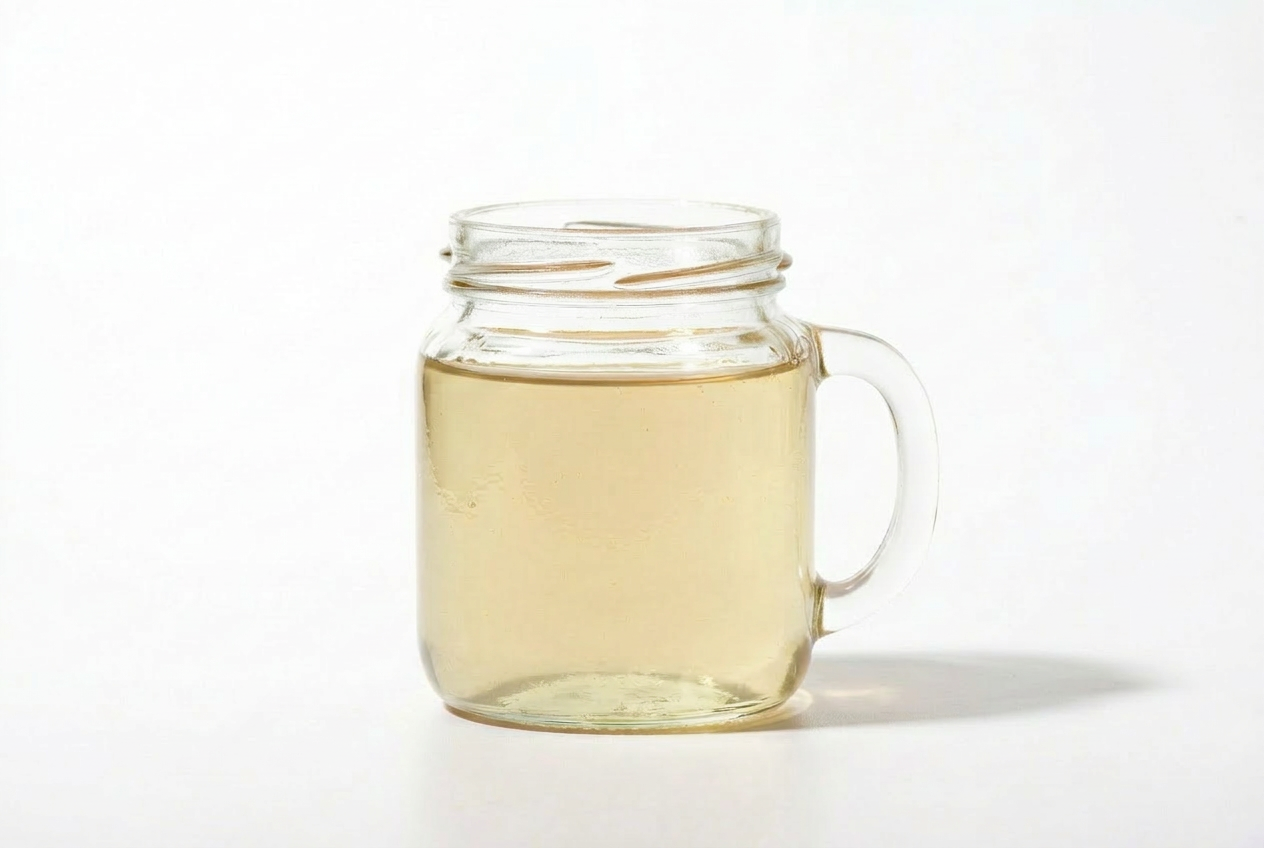
Premium Sage honey in glass jar

What is Sage Honey?

Sage honey is produced from the nectar of California sage species — primarily black sage (Salvia mellifera), white sage (Salvia apiana), and purple sage (Salvia leucophylla) — which grow abundantly in California's coastal mountain ranges, particularly in Southern California and the central coast. These aromatic, drought-resistant shrubs thrive in chaparral and coastal sage scrub ecosystems, creating honey with distinctive herbal character.

Sage honey is notable for its extremely pale color — often water-white when freshly harvested, gradually developing to light amber over time. The flavor is characteristically light and herbal with subtle clover-like sweetness and faint sage undertones. It's not aggressively herbal; rather, it's a delicate, sophisticated honey that doesn't announce itself loudly. The most remarkable characteristic is its crystallization rate: sage honey crystallizes extremely slowly, sometimes remaining liquid for a year or more, making it one of the slowest-setting honeys available.

Sage honey represents California's chaparral landscape — a honey shaped by drought, heat, and the resilient shrubs that dominate hillside ecosystems. It's become increasingly popular among chefs and food enthusiasts who appreciate its restraint and versatility.

Quick Facts

Origin: California coastal mountains
Botanical: Salvia spp. (Black, white, purple sage)
Color: Water-white when fresh, light amber with age
Flavor Profile: Light, herbal, clover-like with sage undertones
Crystallization: Very slow (one of the slowest)
Price Range: $11–$18 per jar
Availability: Regional specialty, growing availability
Best Suited: Cooking, tea, everyday use

What Makes Sage Honey Unique

A light, versatile honey from California's natural landscape

❄️ Slowest Crystallization

Sage honey crystallizes exceptionally slowly — sometimes remaining perfectly liquid for 12+ months. This makes it ideal for anyone who dislikes crystallized honey. The slow setting is a natural property of sage nectar's composition, not a processing trick.

💎 Water-White Color

Fresh-harvest sage honey is stunning in appearance: nearly water-white to pale gold, giving it premium visual appeal. This light color reflects the delicate nature of sage nectar and appeals to culinary professionals.

🌿 Subtle & Versatile

Unlike aggressive-flavored honeys, sage is understated. Its herbal notes don't overpower dishes, making it ideal for cooking and food applications where honey should enhance rather than dominate.

Flavor Profile & Tasting Notes

Why sage honey is prized by chefs

Light & Herbal Character

Sage honey's most distinctive trait is its restraint. The primary flavor is light sweetness with subtle herbal undertones — more hint of sage than aggressive sage flavor. Many tasters note clover-like sweetness with a dry, slightly astringent finish. It's sophisticated rather than bold.

Culinary Versatility

Because sage honey doesn't assert itself, it's ideal for cooking, baking, and applications where you want honey's sweetness without a strong flavor impact. Chefs love it for this reason. It complements rather than dominates, making it more functional than sourwood or tupelo.

Pairing Potential

Sage honey pairs well with herbs, citrus, and Mediterranean flavors. It doesn't clash with spices or delicate dishes. Use it in vinaigrettes, herb marinades, or drizzled on mild cheeses where its subtlety shines without overpowering.

Health Benefits & Nutritional Profile

General raw honey benefits with chaparral antioxidants

📊 Evidence Summary

Raw honey antioxidants — polyphenol content from sage botanical sources; minimal research on sage-specific profiles General Evidence
Mild antimicrobial — hydrogen peroxide and pH activity typical of all honey; no medicinal potency claims General Evidence
Nutritional profile — standard honey composition with balanced glucose/fructose; good source of trace minerals General Evidence

Educational purposes only — not medical advice. Sage honey provides general nutritional benefits of raw honey.

🌿 Antioxidants & Enzymes

Like all raw honey, sage contains polyphenols and antioxidants. Sage's chaparral origin suggests diverse botanical compounds that may have antioxidant potential, though specific research is limited.

🦷 Mild Antimicrobial

Sage honey retains the natural hydrogen peroxide and pH properties that all honey possesses, providing mild antibacterial benefits for throat health.

⚡ Natural Energy Source

The balanced glucose and fructose composition provides efficient natural energy. The light nature makes it ideal for those wanting sweetness without heaviness.

🧴 Digestive Support

Raw sage honey contains beneficial enzymes that support digestive health. Its light profile makes it easy on the stomach.

Best Uses for Sage Honey

How to use sage's versatility and slow-crystallizing properties

🍳 Cooking & Baking

Sage honey's light flavor makes it ideal for any cooking application. Use in vinaigrettes, marinades, baked goods, or glazes without worrying about overpowering delicate dishes. Its slow crystallization means it pours smoothly even months later.

🍵 Warm Beverages

Stir into tea, coffee, or warm cider. The subtle herbal notes complement rather than dominate. It dissolves smoothly and won't crystallize in your cup.

🧀 Cheese & Fruit

Pair with fresh cheese, goat cheese, or mild cheddars. Drizzle over fresh fruit for a light sweetness that doesn't overwhelm. Perfect for Mediterranean-style charcuterie boards.

🥗 Vinaigrettes & Dressings

Use sage honey in salad dressings and vinaigrettes for herb-friendly sweetness. Its light nature won't mask vinegar or lemon flavors.

🍯 Everyday Honey

Because it crystallizes so slowly and maintains its liquid state, sage honey is perfect for everyday use. Keep it on the counter; it will pour easily for months.

🏔️ Regional Gift

Sage honey represents California's natural landscape. Perfect for gifting to food enthusiasts or those who appreciate regional specialty products.

Best Sage Honey Brands

California producers of light, herbal sage honey

As an Amazon Associate, TrueComb earns from qualifying purchases. Full disclosure

Pure Sage

California Chaparral Honey

True single-source sage honey from California's coastal mountains. Water-white color when harvested, raw and unfiltered to preserve enzymatic content. Excellent for cooking and everyday use.

Regional Specialty

Southern California Sage

Premium sage honey from Southern California apiaries specializing in chaparral species. Known for consistent quality and perfect crystal-free purity. Ideal for professional chefs and home cooking.

Coastal Excellence

Central Coast Sage Honey

Sage honey from the central California coast's pristine sage scrublands. Maintains its water-white character and exceptional slow crystallization rate. Premium choice for discerning palates.

Frequently Asked Questions

Common questions about Sage honey

What does Sage honey taste like?

Sage honey has a distinctive herbal, slightly peppery flavor with subtle woody undertones. It's medium-bodied and complex, offering a sophisticated taste that appeals to those who appreciate herbal character in their food.

Where is Sage honey produced?

Sage honey comes primarily from California and Mediterranean regions where sage plants grow abundantly. The plant blooms seasonally, producing fragrant flowers that honeybees find highly attractive for nectar collection.

What color is Sage honey?

Sage honey ranges from light to medium amber in color, often with a slightly greenish tint reflecting the herb's characteristics. The color is typically lighter than darker honeys but warmer than acacia.

What are the traditional uses of Sage honey?

Sage honey is traditionally valued in herbalism for supporting throat health, immune function, and digestive wellness. The sage plant itself has been used medicinally for centuries across many cultures.

How do I use Sage honey?

Sage honey pairs excellently with herbal teas (particularly sage tea), savory dishes, and aged cheeses. It can be used in marinades for poultry, drizzled on root vegetables, or combined with yogurt for an herbal breakfast topping.

Explore Related Honey Varieties

Other light, versatile honeys from California and North America

Acacia Orange Blossom Wildflower