Appalachian Gold Updated March 2026

Sourwood Honey

From the Appalachian Mountains — the connoisseur's honey with anise, caramel, and gingerbread notes.

Light Amber
Color
$18–$45
Price Range
Appalachia
Origin
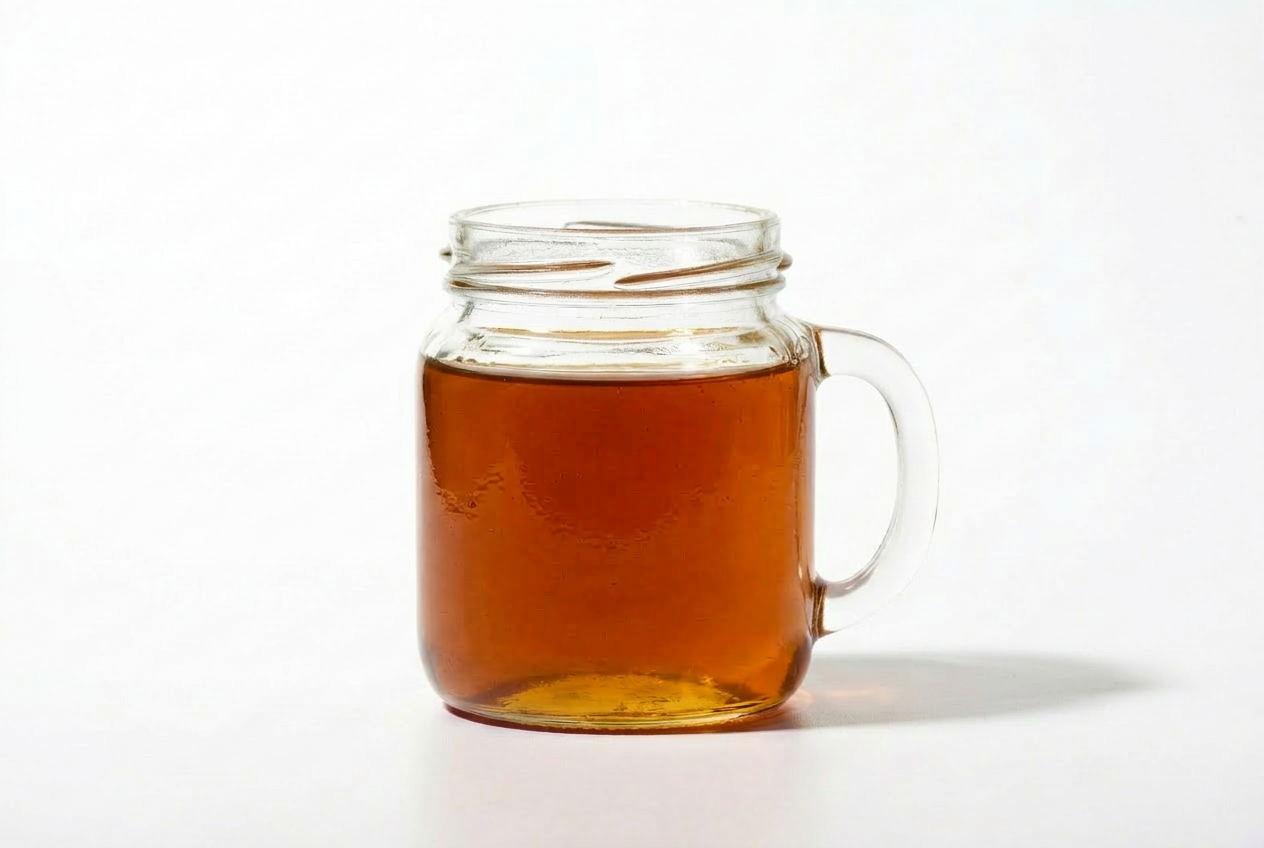
Premium Sourwood honey in glass jar

What is Sourwood Honey?

Sourwood honey comes from the sourwood tree (Oxydendrum arboreum), a deciduous tree native to the Appalachian Mountains, with the primary harvest region spanning North Carolina, Tennessee, and Georgia. The sourwood is the only tree in the heath family (Ericaceae) — a distinction it holds alone among commercial honey plants. It blooms for a brief 4–6 week window starting in July, releasing a nectar that produces one of the most distinctive honeys in North America.

The honey itself is a light amber color with a remarkable flavor profile: buttery and smooth with prominent anise notes, undertones of caramel, and hints of spice and gingerbread. Many tasters describe it as tasting like licorice and brown sugar with a subtle pepper finish. It's far more complex and assertive than clover or wildflower, yet more approachable than buckwheat. Because it crystallizes slowly, sourwood honey maintains its liquid form for months, though it will eventually granulate into a creamy, desirable texture.

For decades, sourwood has been a regional treasure, prized in Southern cuisine and among beekeepers who consider it the honey connoisseur's choice. It's never achieved mass-market fame like acacia or manuka, which makes it genuinely special — a honey defined by its specificity to the Appalachian region and its cult following among those who know it.

Quick Facts

Origin: Appalachian Mountains (NC, Tennessee, Georgia)
Botanical: Oxydendrum arboreum (Sourwood tree)
Color: Light amber
Flavor Profile: Anise, caramel, buttery with spice and gingerbread notes
Texture: Smooth, slow to crystallize into creamy granules
Bloom Period: July–August (4–6 weeks)
Price Range: $12–$20 per jar
Availability: Regional, limited to specialty retailers

What Makes Sourwood Honey Unique

A regional specialty with flavor complexity and Appalachian heritage

🌿 Only Heath Family Honey

The sourwood tree is the sole commercial honey plant in the heath family (Ericaceae). This taxonomic uniqueness contributes to its distinctive chemical composition and flavor profile. No other nectar source creates this precise combination of anise, caramel, and spice notes.

🏔️ Geographic Specificity

Sourwood grows wild in the Appalachian region, creating a regional honey tied to a specific place. It's a honey that tells a story of mountain tradition, family beekeeping operations, and generations of Appalachian food culture. It cannot be mass-produced elsewhere.

⏰ Summer Bloom Window

Sourwood blooms in July and August — summer peak season. Unlike spring honeys competing with countless other nectar sources, sourwood has relatively clear dominance during its bloom window, allowing beekeepers to harvest pure sourwood without significant blending with other flowers.

Flavor Profile & Tasting Notes

Why sourwood honey stands apart in taste

Primary Flavor Notes

Sourwood honey's most distinctive characteristic is its prominent anise flavor — notes of black licorice and fennel that immediately identify it to experienced tasters. This is complemented by sweet, rich caramel undertones, buttery smoothness, and a subtle pepper or spice finish. Some tasters detect gingerbread, cinnamon, or even nutmeg notes depending on the specific harvest and terroir.

Complexity & Depth

Unlike the straightforward sweetness of clover or the neutral profile of acacia, sourwood honey has layers. You taste it differently in the first sip versus the aftertaste. The anise hits first, followed by caramel-buttery middle notes, then a subtle spice or dry finish. This complexity makes it interesting to food enthusiasts and beekeepers who appreciate honey as a flavor ingredient, not just a sweetener.

Best Experienced

Sourwood is best tasted straight from a spoon or drizzled on mild cheeses, warm biscuits, or cornbread — foods that allow its flavor to shine without competing. In Southern cuisine, it's the perfect honey for biscuits, glazes, and baking. It's assertive enough to stand alone on a charcuterie board, but subtle enough to enhance rather than overpower delicate foods.

Health Benefits & Nutritional Profile

General raw honey benefits with antioxidant potential

📊 Evidence Summary

General raw honey antioxidants — polyphenol content typical of raw honeys; regional sourwood profiles less studied General Evidence
Mild antimicrobial properties — hydrogen peroxide and pH activity present in sourwood as with all honey General Evidence
Nutritional profile — balanced glucose/fructose ratio similar to other floral honeys; standard micronutrients General Evidence

Educational purposes only — not medical advice. Sourwood honey provides general nutritional benefits of raw honey but is not a medicinal honey.

🌿 Antioxidants & Enzymes

Like all raw honey, sourwood contains polyphenols and antioxidants that combat oxidative stress and inflammation. Its complex flavor suggests diverse botanical compounds. When stored properly at room temperature, sourwood retains these properties indefinitely.

🦷 Mild Antimicrobial

Sourwood honey retains the natural hydrogen peroxide and pH properties that all honey possesses, providing mild antibacterial benefits for sore throats and oral health without intense medicinal flavor.

⚡ Natural Energy

The balanced glucose and fructose composition makes sourwood an efficient natural energy source. The glucose provides quick energy while fructose sustains longer-term fuel availability.

🧴 Digestive & Skin Support

As a raw honey, sourwood contains beneficial enzymes that support digestive health. Its mild properties make it gentle for sensitive skin applications while retaining honey's inherent wellness benefits.

Best Uses for Sourwood Honey

How to use sourwood's distinctive flavor to its advantage

🥖 Southern Baking & Biscuits

Sourwood is the iconic honey for warm biscuits, cornbread, and Southern baking. Its caramel-anise profile complements wheat, corn, and butter perfectly. Drizzle warm sourwood over hot biscuits for an authentic Appalachian experience.

🧀 Cheese & Charcuterie

Sourwood's distinctive flavor makes it ideal for cheese boards. It pairs especially well with sharp cheddar, aged gouda, and blue cheese. The anise notes complement peppery cheeses; the caramel sweetness balances intensity.

🍵 Warm Beverages

Stir sourwood into hot tea or warm spiced cider. Its spice notes echo the warmth of the beverage, creating a cohesive flavor experience. It dissolves easily and won't crystallize in hot liquid.

🥘 Glazes & Marinades

The caramel and spice notes in sourwood make it excellent for glazing roasted vegetables, ham, or chicken. Use it in barbecue sauces or drizzles for meats. Its complexity adds depth to savory applications.

🎁 Gifting & Sharing

Sourwood is special enough for gifts, especially to food enthusiasts or those with Appalachian heritage. It tells a story and offers a distinctive tasting experience that sets it apart from mass-market honeys.

🥄 Tasting & Appreciation

Most importantly, taste sourwood straight from a spoon. Let it coat your palate. This is how you experience its full complexity and understand why Appalachian beekeepers call it the connoisseur's honey.

Best Sourwood Honey Brands

Authentic regional producers from the Appalachian Mountains

As an Amazon Associate, TrueComb earns from qualifying purchases. Full disclosure

Regional Producer

NC Mountain Apiary

Family-owned North Carolina producer specializing in pure sourwood from high-altitude Appalachian apiaries. Raw, unfiltered honey that captures the mountain terroir. Direct from beekeepers to your table.

Appalachian Authentic

Tennessee Hill Honey

Fourth-generation Tennessee sourwood specialist. Their apiaries sit in the heart of sourwood bloom country. Raw, single-source honey with deep caramel and anise character that represents the authentic Appalachian sourwood experience.

Mountain Craft

Georgia Mountain Gold

Georgia-based sourwood producer with deep roots in Appalachian beekeeping traditions. Their honey is known for balanced flavor profile with prominent anise and caramel notes. Available through specialty retailers and online.

Frequently Asked Questions

Common questions about Sourwood honey

What does Sourwood honey taste like?

Sourwood honey has a mild, smooth flavor with spice notes and subtle caramel undertones. It's delicate and refined, making it beloved by honey connoisseurs who appreciate its balanced, slightly complex profile.

Where is Sourwood honey produced?

Sourwood honey comes exclusively from the Appalachian region of the eastern United States, where sourwood trees (also called sour gum) grow in mountain forests. The trees are endemic to this region and produce flowers in mid-summer.

What color is Sourwood honey?

Sourwood honey is typically light amber, sometimes with a subtle golden or reddish tint. This lighter color reflects the delicate nature of sourwood nectar and contributes to its refined, premium appearance.

Why is Sourwood honey special?

Sourwood honey is prized for its rarity, geographic exclusivity to Appalachia, and complex flavor profile that honey enthusiasts specifically seek out. It's often more expensive than mainstream honeys due to limited availability and high quality standards.

How do I use Sourwood honey?

Sourwood honey is excellent for appreciating on its own or with mild cheeses. It works well in baking for applications where you want subtle complexity, drizzled on warm biscuits, or stirred into herbal teas.

Explore Related Honey Varieties

Other regional and floral honeys with distinctive character

Wildflower Buckwheat Clover