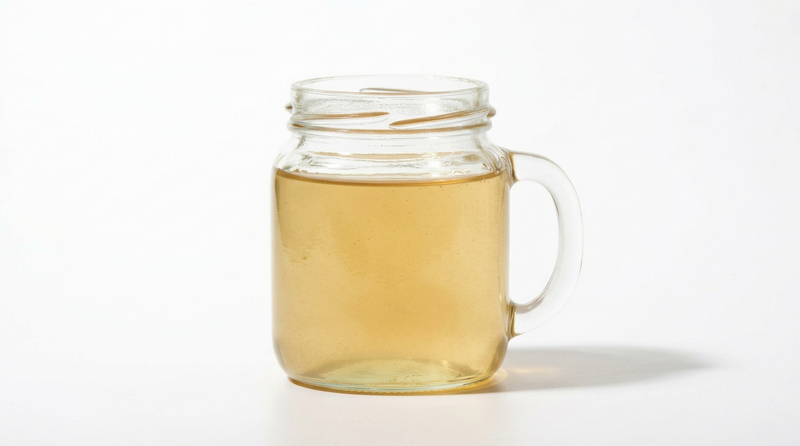
Light, floral honey from the vivid blue star-shaped borage flowers of English gardens.
Borage honey is produced from the nectar of borage (Borago officinalis), also known as starflower — a beautiful blue-flowering herb widely cultivated across the UK, France, Germany, and other European countries. Borage is primarily grown commercially for its seed oil (borage oil/starflower oil), but its prolific blue star-shaped flowers produce abundant nectar that bees eagerly forage.
Borage honey is notably light — often water-white to very pale gold when fresh, making it one of the lightest-colored honeys available in Europe. The flavor is gentle and clean: moderately sweet with soft floral notes, a hint of fruit, and virtually no bitterness or aftertaste. It's a crowd-pleaser honey that appeals to those who find stronger varieties overwhelming. Borage honey crystallizes fairly quickly, developing fine, smooth crystals.
In the UK, borage honey has become increasingly popular as borage cultivation has expanded. Large-scale borage farming for the health supplement industry has created abundant foraging opportunities for bees, making borage honey more widely available than it was a generation ago. It's now one of the UK's signature honey varieties.
A beautifully light honey from Europe's starflower fields
Fresh borage honey is strikingly pale — almost colorless. This exceptional clarity and lightness make it visually beautiful and indicate a very delicate flavor profile. It's one of the purest-looking honeys you'll encounter.
Borage's beautiful blue star-shaped flowers give this honey its alternative name — starflower honey. The flowers produce copious nectar, and bees can produce impressive quantities during the short but intense flowering period.
Borage honey's mild, clean flavor makes it universally liked. It's an ideal 'starter honey' for children (over 1 year), a perfect sweetener for people who don't love strong honey, and a versatile kitchen staple that won't overpower anything.
Why borage is everyone's honey
Borage honey is the definition of approachable. The sweetness is moderate, the floral notes are whisper-soft, and there's zero bitterness or astringency. Some tasters note a very subtle fruity quality. It's as gentle as honey gets.
Borage honey's greatest culinary strength is its ability to sweeten without changing flavors. In tea, it adds sweetness without honey flavor. In baking, it moistens without asserting. It's the invisible honey.
When borage honey crystallizes — which happens fairly quickly — it forms a smooth, fine-grained spread that's genuinely pleasant. The white, creamy result looks premium and spreads beautifully on toast.
What the evidence says about borage honey
Educational purposes only — not medical advice. Borage honey provides general nutritional benefits of raw honey.
While lighter honeys generally have fewer antioxidants than dark varieties, borage honey still contains beneficial polyphenols and flavonoids from its botanical source.
Borage honey's mild flavor and smooth texture make it particularly pleasant for soothing sore throats and coughs — especially for those who dislike strong-tasting honeys.
The clean sugar profile of borage honey provides gentle, readily available energy. Its lightness makes it an ideal natural sweetener for everyday use.
Borage is associated with skin health through its seed oil. While honey doesn't contain the same fatty acids, the connection has made borage honey popular in natural skincare routines.
How to enjoy the lightest, gentlest honey around
Borage honey is the ideal tea sweetener — it adds sweetness without changing the tea's character. Equally good in coffee, herbal infusions, and iced drinks.
Spread crystallized borage honey on toast, muffins, or crumpets. Its smooth white appearance and gentle flavor make mornings feel premium.
Use in sponge cakes, shortbread, and pastries where you want moisture and sweetness without strong honey flavor. It won't compete with vanilla, lemon, or butter.
Borage honey's mild, universally appealing flavor makes it ideal for introducing children (over 1 year) to honey. No strong or unusual flavors to reject.
Drizzle over yogurt, granola, or porridge. It sweetens naturally without imposing any particular flavor direction.
Borage honey in a nice jar makes a lovely, accessible gift. Its light color, smooth texture, and universal appeal mean everyone will enjoy it.
UK and European producers of light, delicate starflower honey
As an Amazon Associate, TrueComb earns from qualifying purchases. Full disclosure
New Zealand blue borage honey from the South Island. Mild, herbal, with a delicate pleasant scent. Light-colored honey from the distinctive blue borage bush.
Raw, unpasteurised borage honey from Essex summer borage fields. Light, clean flavor with subtle cucumber-like freshness. A quintessentially British honey.
Monofloral borage honey sourced from Ramban, Jammu & Kashmir at 2,400 feet elevation. Refreshing taste with accents of mint candy and sweet floral aroma.
Common questions about Borage honey
Borage honey has a distinctive floral profile with subtle hints of cucumber and fresh greenness. It's light, delicate, and somewhat herbaceous, making it unique among honey varieties with a refreshing quality.
Borage honey is produced in regions where borage flowers are cultivated, particularly in Europe and some parts of North America. Borage is increasingly grown as a cover crop and for its nutritional properties, making honey production a secondary benefit.
Borage honey is traditionally valued for its potential anti-inflammatory properties and may support respiratory health. The borage plant itself is known for its omega-3 and omega-6 fatty acid content, which may translate to the honey.
Borage honey is relatively uncommon compared to mainstream varieties, making it harder to find and typically more expensive. Its rarity and specialized production makes it a specialty item primarily available from specialty honey suppliers.
Borage honey is best used in small amounts to appreciate its delicate floral character. It works well in herbal teas, drizzled over salads, or used sparingly in light desserts where its unique flavor won't be overpowered.